
What do you want to talk to us about?
Do you prefer to talk to us in person?
(418) 476-1918

Oops! Something went wrong while submitting the form.
Our goal is to create compelling digital experiences that bring value to users.

Customer experience (CX) goes far beyond the digital realm. A thorough grasp of the entire customer journey and the various touchpoints users encounter with the product is paramount for creating impactful and successful customer experiences.
Leveraging our technological expertise and proficiency in experience design, we integrate strategic thinking, business requirements, design innovation, and user-centricity into the creative process. This ensures that users, their needs, and their behaviors remain at the forefront of our approach.
The digital product must meet, or even exceed, customer expectations. Whether you're developing a web application or embarking on an IoT project, optimizing the user experience remains one of the primary challenges for user retention.
Designing digital products with a focus on humanity and empathy enables us to envision innovative solutions while expanding our understanding and knowledge. This approach facilitates a deeper comprehension of user needs, offers fresh perspectives on customer interactions, and ultimately inspire our drive to innovate!
For further insights, we highly recommend exploring the exceptional book: The practical guide to human-centered design by IDEO (PDF | 9.6 MB)
While CX and UX design concentrate on comprehending business strategy, user needs, and validating our hypotheses, interface design focuses on translating wireframes into high-definition interfaces and developing a robust style guide that aligns with your brand.
It's not merely about adhering strictly to wireframe models and applying your brand's colors and graphic elements. The goal of UI is to enhance user interaction by crafting an environment that is visually pleasing and easy to navigate. Interface design plays a pivotal and cohesive role in both user experience (UX) and customer experience (CX), as these screens serve as the interface between your organization and your customers.

Customer experience is the impression left by the digital interactions between a customer and a business.
Inspired by methodologies such as Design Thinking and Lean UX, we have adopted a design process that can be summarized in four main phases. The greatest strength of this process is its flexibility. Depending on the nature of the assignment, the client's needs, and the project's size, the process can be adapted, simplified, or enhanced accordingly.

We are obsessed with UX and UI design in order to create the best experience for your customers and the best ROI.
In addition to our design process, we also use creative techniques that are widely adopted in the industry:
Design thrives on teamwork. We advocate for the involvement of all relevant stakeholders throughout the entire process via co-creation workshops. This workshop format ensures active and dynamic participation from all involved parties, making it particularly effective at the project's outset.
The discovery phase entails gathering information to gain a comprehensive understanding of the project, including its objectives, competitors, unique aspects, and the problems to be addressed. During the ideation phase, we harness collective creativity to develop and test innovative ideas, aiming to produce the optimal product for both the customer and its users.
Each step is meticulously synthesized into documents that provide tangible deliverables to the customer.
The primary goals of user research are to comprehend users' needs and usage contexts, fostering empathy with them, and validating hypotheses formulated during the creation phase. Immersion in this process is a treasure trove of mutual learning. Whenever possible, we prioritize listening to people, observing them within their contexts, and studying their behaviors to enhance the products we design. It's the essence of user-centered design.
Originating from marketing principles, this method prioritizes the identification and chronological representation of interactions between a target user and a service or product. The aim is to unveil the key moments of the customer's journey, revealing valuable insights and design opportunities.
By crafting profiles depicting archetypes of end users, designers can more effectively immerse themselves in and comprehend the project's challenges. Drawing from field research and past workshops, we breathe life into personas that serve as guiding pillars throughout the design journey.
The structure and organization of content within a website or web application significantly impact user experience. How users navigate to a particular page or how we guide them through key pages to engage with our offerings is paramount. Information architecture is equally crucial for optimizing search engine visibility (SEO). Additionally, business needs must be carefully considered.
Co-creative workshops, such as card sorting, can be invaluable for testing the hierarchical structure and menu labels. This ensures an intuitive navigation experience that aligns with user expectations and business goals.
Also known as functional mockups, these representations serve to outline the foundational structure of a website or web application. Developed iteratively, they begin with the bare bones of the site, encompassing key components, navigation elements, and calls to action. Typically rendered in grayscale or blue, their simplicity facilitates rapid validation of concepts, idea testing, and interface adjustments based on user feedback.
Graphical interfaces play a fundamental role in shaping the user experience. The aesthetic-usability effect underscores the principle that people perceive more aesthetically pleasing designs as inherently more intuitive. Our graphic models, built upon wireframes, integrate your brand image while infusing them with our creative touch. In interface design, we establish the foundational elements of the design system, including colors, graphic hierarchy, typography, and various components.
Whether at the wireframe or UI interface stage, an interactive prototype created using design tools like Figma simulates the future web application in a highly realistic context. These prototypes enable swift testing without the need to write a single line of code. Early testing in the creation process, swiftly identifying elements for refinement, offers clear cost advantages. It's far more economical to adjust during the creation phase than after the interface has been fully developed.
A design system provides a single source of components, models, and styles, all visually consistent and part of the same ecosystem. It is used to bring together all the graphic elements in their simplest forms (buttons, typographic hierarchy, colors, etc.) accompanied by their state variants and their instructions for use. Organized and composed according to the method ofA design system offers a unified repository of components, patterns, and styles, all harmoniously integrated within the same ecosystem. It serves as a comprehensive resource bringing together fundamental graphic elements in their most elemental forms (such as buttons, typographic hierarchy, and colors), along with their state variations and usage guidelines. Structured and crafted following the principles of Atomic design, the design system serves as invaluable documentation for the entire team, empowering them with speed and autonomy in production.
By choosing Toumoro, you are guaranteed to have access to the services of a team of experts who know UX and UI design very well.
We have carried out various design works for numerous sites, portals and applications. For example, Toumoro supports the Olympus NDT/Evident production teams with UX services as part of Design Ops.
Our Design Ops approach allows for the orchestration and optimization of all stakeholders, processes, and design in order to break silos and amplify the value and impact of our work at scale.
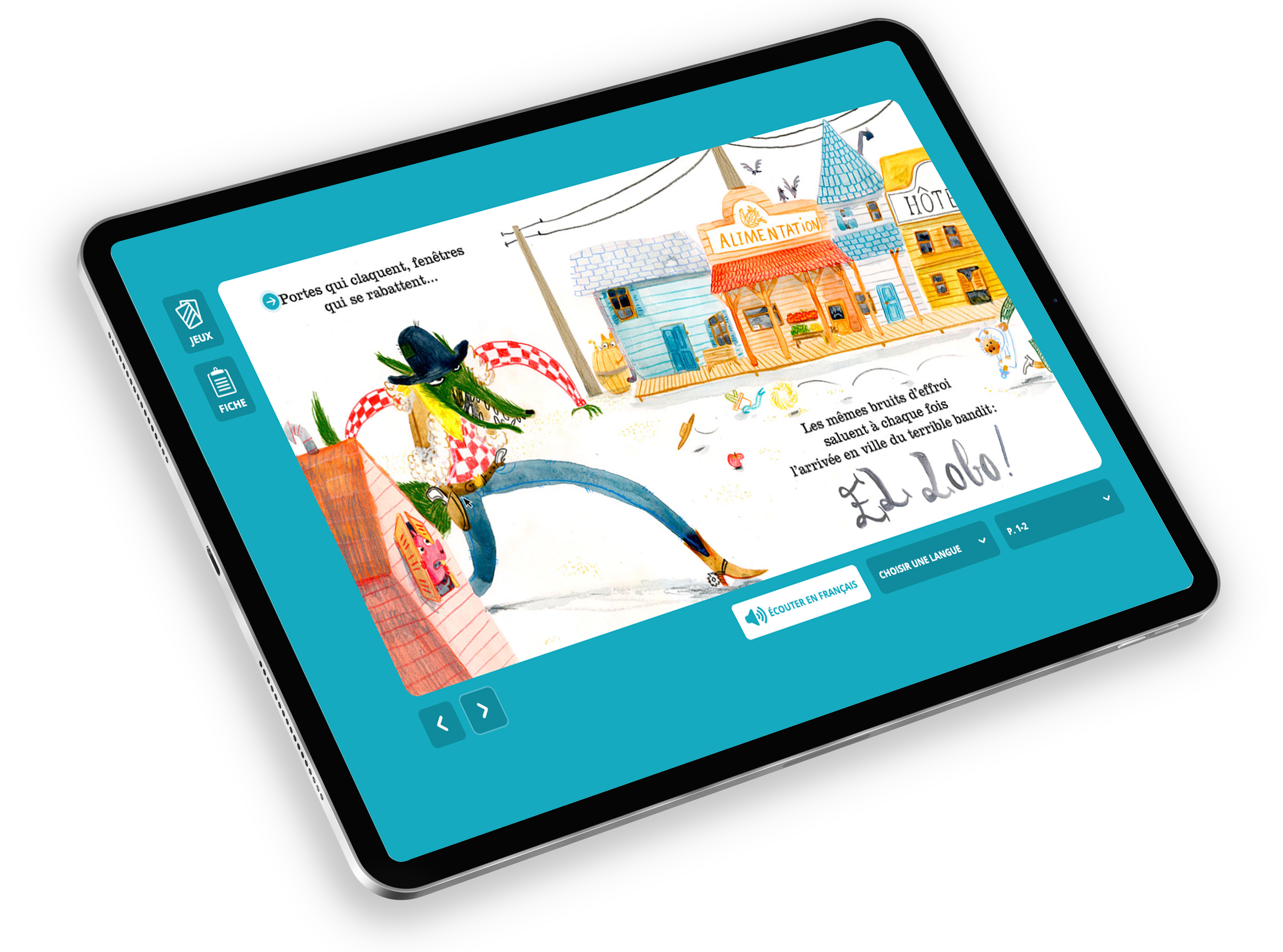
This case study explores the development of the ÉLODiL application, an interactive web platform built to enable the creation, publication, and access to multilingual youth albums, promoting inclusive and intercultural education.
This case study examines the development of PADA, a collaborative software platform designed to facilitate the creation of health decision support tools adhering to IPDAS standards.

This case study examines the development of Cloud Dilygence, a SaaS application focused on preventing workplace accidents.


